Tag: school data

  • COVID-19 in schools data: still bad!

    COVID-19 in schools data: still bad!

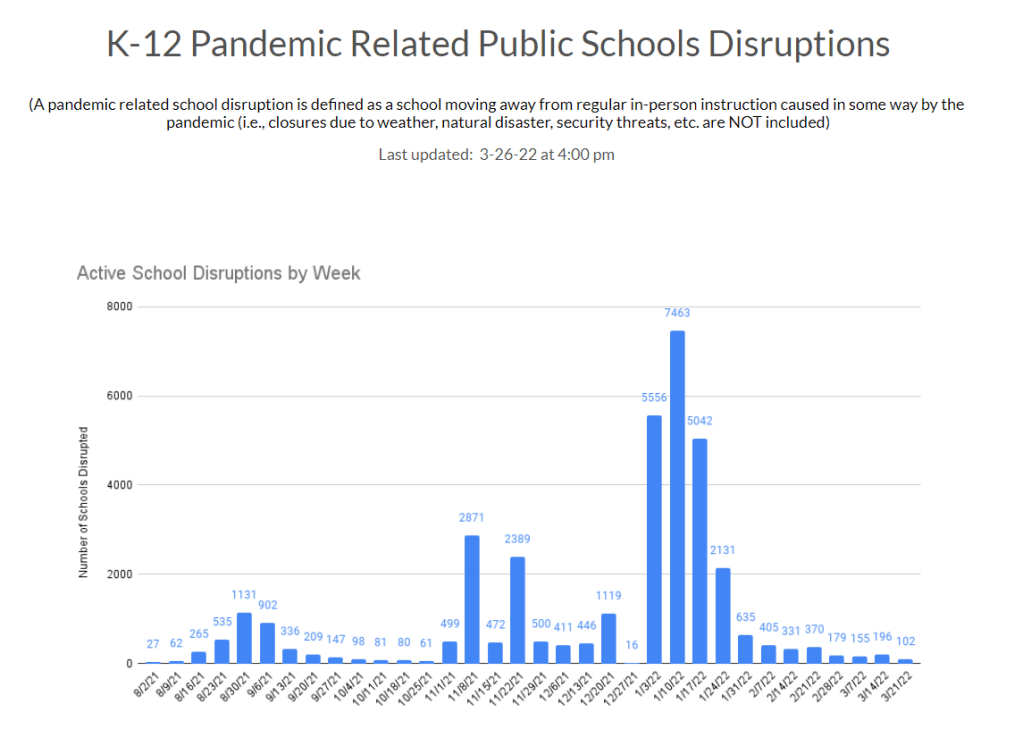
    Screenshot of Burbio’s K-12 School Opening Tracker, taken on March 27.

    In addition to the FiveThirtyEight story, I also had an article come out this week in The Grade, Alexander Russo’s column at KappanOnline. This piece takes a deep dive into Burbio, the company that has become a leading source for data on how COVID-19 impacted K-12 schools across the U.S—in the absence of comprehensive data on this topic from the federal government.

    Burbio is pretty popular among education journalists, I learned in writing this story. Dennis Roche, one of the company’s founders, writes a weekly newsletter providing updates on COVID-19 in schools, and often makes himself available to answer reporters’ questions. Burbio has also become a major data source for the CDC, to the point that the agency provided Burbio with a $600,000 grant for its tracking efforts in the 2021-22 school year.

    However, in the story, I discuss several red flags that stood out to me as a science, health, and data journalist. These include:

    The company does not clearly disclose its dataset’s limitations, nor does it disclose its funding sources. Its data are not publicly available for researchers to vet. The popular data on school “disruptions” are easy to misinterpret when cited without context.

    Journalists citing Burbio should be clear about the data source’s limitations, I wrote. And they should also consider alternative sources; while Burbio filled a void by the federal government, it’s not the only source doing this work. The story highlights several potential options: MCH Strategic Data, the American Enterprise Institute’s Return to Learn tracker, a scientific researcher’s dataset, and an HHS dashboard that compiles data from multiple sources (including Burbio).

    Notably, Burbio did not even attempt to track COVID-19 cases in schools, opting instead to focus on learning modes and safety policies. A couple of research projects did track school cases in the 2020-21 school year, but this specific metric is now primarily tracked by state health departments with no comprehensive federal source. (The COVID School Tracker, one volunteer-run site that is still actively updating, compiles data from states.)

    To see what school COVID-19 case data each state is reporting, you can check out my annotations page here; I updated the annotations of both state and national sources yesterday.

    Some states are now reducing their reporting in this area, aligning with the overall recent trend of cutting back on COVID-19 data at the state level.  A couple of notable examples:

    • Indiana switched from reporting school-specific cases to reporting school-aged cases (i.e. all cases in children ages 5 to 18 or so). Reporting school-aged cases is often easier for a health department, since it doesn’t require contact tracing cases to classrooms.
    • Ohio stopped its reporting of COVID-19 cases in schools entirely. As of mid-March, schools in Ohio are no longer required to report most COVID-19 cases among students and staff to their local health departments, according to local news site Spectrum News 1 in Columbus. (The exception is cases identified by COVID-19 testing within schools.)
    • Vermont also stopped its reporting of COVID-19 cases in schools. A note on the state’s “PreK-12 Schools” page reads: “Due to changes in testing and contact tracing in schools, the COVID-19 Cases in Schools While Infectious report will no longer be updated after Jan. 10, 2022.

    More K-12 schools data

  • Featured sources, September 19

    • COVID Behaviors Dashboard from Johns Hopkins: John Hopkins University maintains one of the oldest and best-known COVID-19 dashboards of the pandemic. The team recently expanded its data offerings with a new dashboard focused on pandemic attitudes and practices around the world. This dashboard draws from surveys conducted in over 100 countries, in collaboration with the WHO; read more about it here.
    • COVID-19 K-12 School Testing Impact Estimator: What COVID-19 testing strategy would make the most sense for your local K-12 school? This dashboard, by the Rockefeller Foundation and Mathematica (the data research organization), is designed to help stakeholders find out. Simply plug in the school’s characteristics and COVID-19 safety goals, and the dashboard will tell you how different testing strategies may measure up.
    • Vaccine hesitancy roundup from the Journalist’s Resource: This resource page includes a wealth of data and insights on vaccine hesitancy in the U.S., drawing from a variety of surveys and research papers on the topic. As of early September, author Naseem Miller writes, the PubMed research database included over 750 studies on COVID-19 vaccine hesitancy, signifying growing academic interest in this topic.
    • Hospital challenges to public health reporting: A new report from the National Coordinator for Health Information Technology explores the challenges that non-government hospitals have faced in electronically exchanging information with public health agencies. One major finding: in both 2018 and 2019, half of all hospitals lacked the capacity for this data exchange. No wonder electronic reporting has been such a challenge during the pandemic.
    • NIH Long COVID initiative revs up: This isn’t an actual data source, more of an update: the National Institutes of Health (NIH)’s RECOVER Initiative to study Long COVID awarded a major research grant this week. About $470 million goes to New York University’s Langone Medical Center, which will serve as a national hub for Long COVID research and award sub-grants to other institutions. The NIH’s RECOVER website currently reports that between 10% and 30% of people infected with the coronavirus will go on to develop Long COVID; hopefully research at NYU and elsewhere will lead to some more precise numbers.

  • Opening project conclusion: 11 lessons from the schools that safely reopened

    Opening project conclusion: 11 lessons from the schools that safely reopened

    By Betsy Ladyzhets

    In the COVID-19 Data Dispatch’s “Opening” series, we profiled five school communities that successfully reopened during the 2020-2021 school year. In each one, the majority of the district’s or school’s students returned to in-person learning by the end of the spring semester — and officials identified COVID-19 cases in under 5% of the student population.

    Through exploring these success stories, we found that the schools used many similar strategies to build trust with their communities and keep COVID-19 case numbers down.

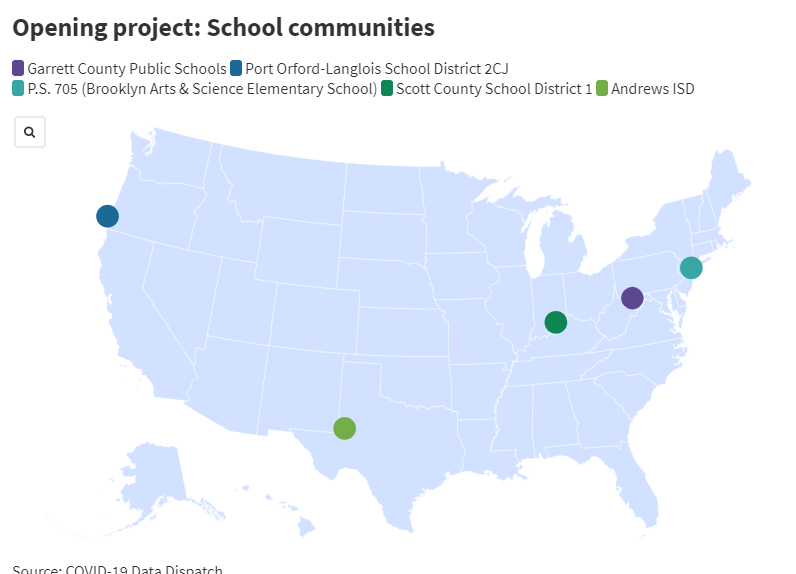
    These are the five communities we profiled:

    • Scott County School District 1 in Austin, Indiana: This small district faced a major HIV/AIDS outbreak in 2015, leading to an open line of communication between Austin’s county public health agency, school administrators, and other local leaders which fostered an environment of collaboration and trust during the COVID-19 pandemic.
    • Garrett County Public Schools in Maryland: In a rural, geographically spaced-out county, this district built trust with its community by utilizing local partnerships, providing families with crucial supplies, setting up task forces to plan reopening, and communicating extensively with parents.
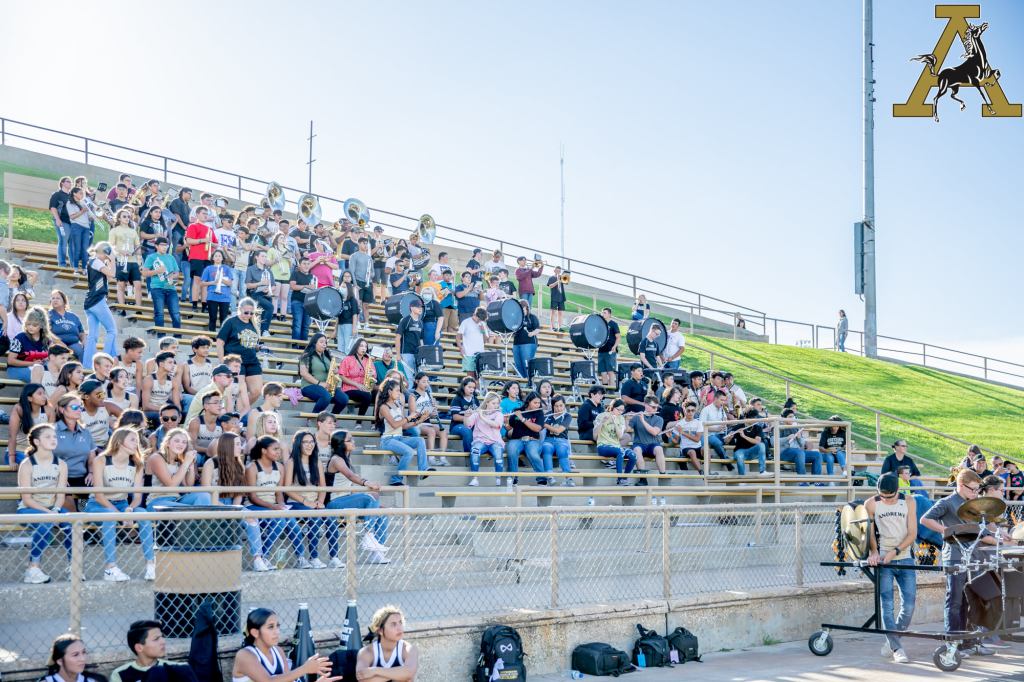
    • Andrews Independent School District in Texas: This West Texas district prioritized personal responsibility, giving families information to make individual choices about their children’s safety. Outdoor classes and other measures also helped keep cases down.
    • Port Orford-Langlois School District 2CJ in Oregon: In two tiny towns on the coast of Oregon, this district built up community trust and used a cautious, step-by-step reopening strategy to make it through the 2020-2021 school year with zero cases identified in school buildings.
    • P.S. 705 in Crown Heights, Brooklyn, New York: This elementary school brought 55% of students back to in-person class, well above the New York City average (40%), by utilizing comprehensive parent communication and surveillance testing of students and staff.

    Here are 11 major lessons we identified from the districts that kept their communities safe.


    1. Collaboration with the public health department is key.

    In Austin, Indiana, an existing relationship between the local school district and local public health department, built during the town’s HIV/AIDS outbreak in 2015, streamlined COVID-19 communication. The district and public health department worked together to plan school reopening, while district residents — already familiar with the health department’s HIV prevention efforts — quickly got on board with COVID-19 safety protocols.

    Garrett County’s school district, in Maryland, worked with their local public health department on making tests available to students and staff. The Andrews County district, in Texas, also collaborated with the county health agency on testing and on identifying student cases in fall 2020 — though the relationship fractured later in the school year due to differing opinions on the level of safety measures required in schools.

    “What the CDC basically said is that each school has to become a little health department in its own right,” said Katelyn Jetelina, epidemiologist at the University of Texas and author of the Your Local Epidemiologist newsletter; but “schools don’t have the expertise to do that,” she said. As a result, public health departments themselves may be valuable sources of scientific knowledge for school leaders. 

    “What’s ideal — and I’ve only seen this happen a few times — is, if there is literally someone from the health department embedded in the school district,” added Robin Cogan, legislative co-chair for the New Jersey State School Nurses Association and author of the Relentless School Nurse blog.

    2. Community partnerships can fill gaps in school services.

    In addition to public health departments, there are other areas where partnerships outside a school may be beneficial; partnering up to address technology and space needs was a particular theme in this project. In Oregon, the Port Orford-Langlois school district relied on the local public library to provide technology services, space for after-school homework help, wifi outside school hours, and even extracurricular activities. Meanwhile, in Garrett County, Maryland, the school district worked with churches, community centers, and other centrally-located institutions to provide both wifi and food to district families.

    Both of these rural districts faced challenges with online learning, as many families did not have wifi at home. By expanding internet access through community partnerships, the districts enabled families to keep up kids’ online learning — while showing parents that school staff were capable of meeting their needs, building trust for future in-person semesters.

    3. Communication with parents should be preemptive and constant.

    Strong communication was one theme that resonated across all five profiles. In a tumultuous pandemic school year, parents wanted to know exactly what their schools were doing and why;  the districts we profiled offered ample opportunities for parents to quickly get updates and ask questions.

    For example, at Brooklyn’s P.S. 705, administrators held weekly town hall meetings — segmented by grade level — and staffed a “virtual open office,” available on a daily basis for parents to log on and ask questions. Jetelina said that such forums are an ideal opportunity for “two-way communication,” in which administrators could both talk to parents and listen to feedback.

    Andrews County also held a town hall for parent questions prior to the start of the 2020 school year. In Garrett County, administrators updated a massive FAQ document (currently 22 pages) whenever a parent reached out with a question. This district, P.S. 705, and Port Orford-Langlois all gave parents the opportunity to talk to school staff in one-on-one phone calls. 

    Cogan pointed out that parents like to be reached on different platforms, such as text messages, Facebook, and Google classroom; by giving parents multiple options, districts may ensure that all parent questions are asked and answered.

    4. Require masks, and model good masking for kids.

    Mask requirements in schools have become highly controversial in fall 2021, with some parents enthusiastically supporting them while others refuse to send their children to school with any face covering. But widespread masking remains one of the best protections against COVID-19 spread, especially for children who are too young to be vaccinated.

    And yes, evidence shows that young children can get used to wearing a mask all day. In the Port Orford-Langlois school district, Principal Krista Nieraeth credits responsible masking among students to their parents. Though the community leans conservative, she said, parents modeled mask-wearing for their kids, understanding the importance of masking up to prevent the coronavirus from spreading at school. Some parents even donated homemade masks to the district for students and teachers.

    As Delta spreads, Cogan said, it’s important that districts require “properly fitting masks that are worn correctly” to ensure that students are fully protected.

    5. Regular testing can prevent cases from turning into outbreaks.

    Brooklyn’s P.S. 705 leaned into the surveillance COVID-19 testing program organized by the New York City Department of Education. The city required schools to test 20% of on-site students and staff once a week, from December 2020 through the end of the spring semester; P.S. 705 tested far above this requirement during the winter months, when cases were high in Brooklyn. The testing allowed this school to identify cases among asymptomatic students, quarantine classes, and stop those isolated cases from turning into outbreaks.

    School COVID-19 testing programs should test students frequently, Jetelina said. “But what’s even more important than regular testing is it’s not biased testing,” meaning the tests are required for all in-person students. Voluntary testing, she said, would be more likely to include only the families who are also more likely to follow other safety protocols.

    More districts are now working to set up regular testing programs for fall 2021, using funding from the American Rescue Plan, Cogan said. If regular testing isn’t possible, it’s still crucial for a district to make tests easily available — with timely results, in under 24 hours — to a student’s close contacts when a case is identified at school. Both the Garrett County and Andrews County school districts worked with their local public health departments to make such testing possible.

    6. Improve ventilation and hold classes outside where possible.

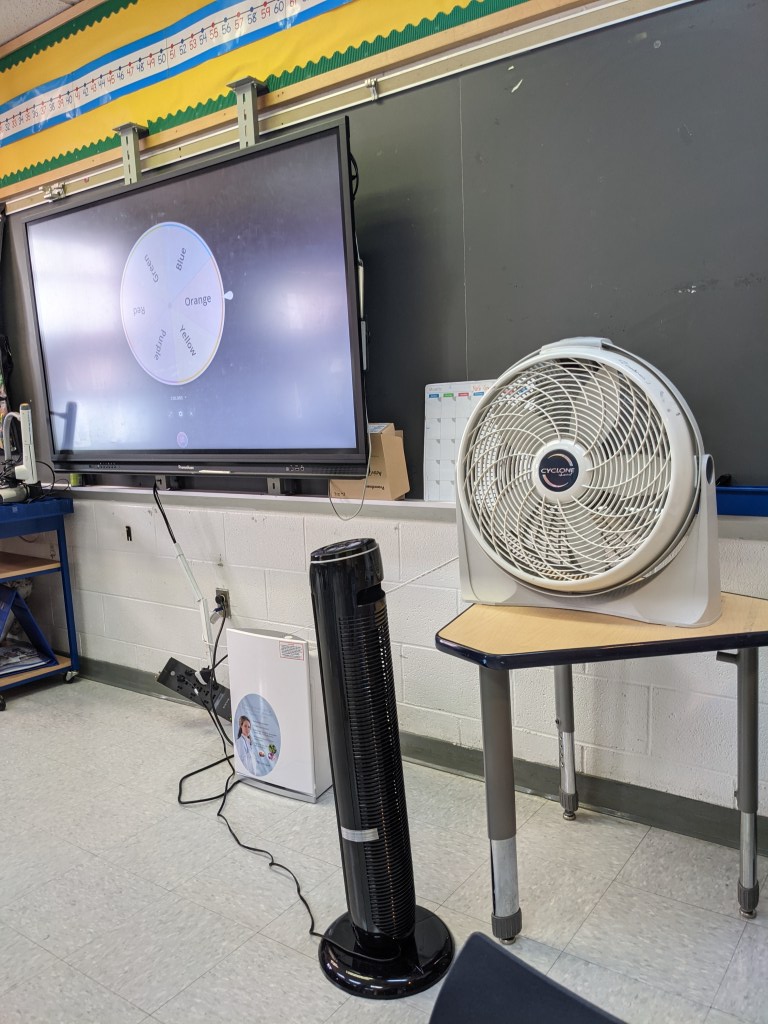
    In addition to funding for COVID-19 testing, the American Rescue Plan made billions of dollars available for improvements to school ventilation systems. The Garrett County and Austin, Indiana school districts both took advantage of this funding to upgrade HVAC systems in their buildings and buy portable air filtration units.

    In Andrews County — where the West Texas weather stays warm through much of the year — the school district opted for more natural ventilation: opening doors and windows, and holding class outside whenever possible. The extra time outdoors was also beneficial to the mental health of students who had been cooped up indoors in spring 2020, administrators said.

    Still, outdoor class may not be possible for districts in urban areas, Cogan said. In these schools, windows and doors may be locked down to protect against a different public health crisis: the threat of gun violence.

    7. Schools may still be focusing too much on cleaning.

    In July 2020, Derek Thompson, staff writer at The Atlantic, coined the term “hygiene theater”: many businesses and public institutions were devoting time and resources to deep-cleaning — even though numerous scientific studies had demonstrated that the virus primarily spreads through the air, not through surface contact.

    More than a year later, hygiene theater is alive and well in many school districts, COVID-19 Data Dispatch interviews with school administrators revealed. When we asked in interviews, “What were your safety protocols?”, administrators often jumped to deep-cleaning and bulk hand sanitizers. Ventilation would come up later, after additional questioning. At the Andrews County district, for example, custodians would clean a classroom once a case was identified — but close contacts of the infected student were not required to quarantine.

    “Cleaning high-touch areas is very important in schools,” Cogan said. But mask-wearing, physical distancing, vaccinations, and other measures are “higher protective factors.”

    8. Give agency to parents and teachers in protecting their kids.

    Last school year, many districts used temperature checks and symptom screenings as an attempt to catch infected students before they gave the coronavirus to others. But in Austin, Indiana, such formalized screenings proved less useful than teachers’ and parents’ intuition. Instructors could identify when a student wasn’t feeling well and ask them to go see the nurse, even if that student passed a temperature check.

    Jetelina said that teachers and parents can both act as a layer of protection, stopping a sick child from entering the classroom. “Parents are pretty good at understanding the symptoms of their kids and the health of their kids,” she said.

    In Andrews, Texas, district administrators provided parents with information on COVID-19 symptoms and entrusted those parents to determine when a child may need to stay home from school. The Texas district may have “gone way overboard with giving parents agency,” though, Cogan said, in allowing students to opt out of quarantines and mask-wearing  — echoing concerns from the Andrews County public health department.

    9. We need more granular data to drive school policies.

    The COVID-19 Data Dispatch has consistently called out a lack of detailed public data on COVID-19 cases in schools. The federal government still does not provide such data, and most states offer scattered numbers that don’t provide crucial context for cases (such as in-person enrollment or testing figures). Without these numbers, it is difficult to compare school districts and identify success stories.

    The “Opening” project also illuminated another data issue: Most states are not providing any COVID-19 metrics down to the individual district, making it hard for school leaders to know when they must tighten down on or loosen safety protocols. At the tiny Port Orford-Langlois district in Oregon, for example, administrators had to rely on COVID-19 numbers for their overall county. Even though the district had zero cases in fall 2020, it wasn’t able to bring older students back in person until the spring because outbreaks in another part of the county drove up case numbers. Cogan has observed similar issues in New Jersey.

    At a local level, school districts may work with their local public health departments to get the data they need for more informed decision-making, Jetelina said. But at a larger, systemic level, getting granular COVID-19 data is more difficult — a job for the federal government.

    10. Invest in school staff and invite their contributions to safety strategies.

    School staff who spoke to the COVID-19 Data Dispatch for this project described working long hours, familiarizing themselves with the science of COVID-19, and exercising immense determination and creativity to provide their students with a decent school experience. Teaching is typically a challenging job, but in the last eighteen months, it has become heroic — even though many people outside school environments take this work for granted, Jetelina said.

    Districts can thank their staff by giving them a say in school safety decisions, Cogan recommended. “Educators, they’ve had a God-awful time and had a lot more put on them,” she said. But “every single person that works in a school has as well.” That includes custodians, cafeteria workers, and — crucially — school nurses, who Cogan calls the “chief wellness officer” of the school.

    11. Allow students and staff the space to process pandemic hardship.

    About 117,000 children in the U.S. have lost one or both parents during the pandemic, according to research from Imperial College London. Thousands more have lost other relatives, mentors, and friends — while millions of children have faced job loss in their families, food and housing insecurity, and other hardships. Even if a school district has all the right safety logistics, school staff cannot truly support students unless they allow time and space to process the trauma that they’ve faced.

    P.S. 705 in Brooklyn may serve as a model for this practice. School staff preemptively reached out to families when a student missed class, offering support. “705 is just the kind-of place where it is a ‘wrap your arms around the whole family’ kind-of a school,” one parent said.

    On the first day of school in September 2021 — when many students returned in-person for the first time since spring 2020 — the school held a moment of silence for loved ones that the school community has lost.


    These lessons are drawn from school communities that were successful in the 2020-2021 school year, before the Delta variant hit the U.S. This highly-transmissible strain of the virus poses new challenges for the fall 2021 semester. The data analysis underlying this project primarily led us to profile rural communities, which may have gotten lucky with low COVID-19 case numbers in previous phases of the pandemic — but are now unable to escape Delta. For example, the Oregon county including Port Orford and Langlois saw its highest case rates yet in August 2021.

    The Delta challenge is multiplied by increasing polarization over masks, vaccines, and other safety measures. Still, Jetelina pointed out that there are also “a ton of champions out there,” referring to parents, teachers, public health experts, and others who continue to learn from past school reopening experiences — and advocate for their communities to do a better job.


    Have you taken lessons from the “Opening” project to your local school district? Do you see parallels between the five communities in this project and your own? If so, we would love to hear from you. Comment below or email betsy@coviddatadispatch.com.

    The COVID-19 Data Dispatch’s “Opening” series is available for other publications to republish, free of charge.

    More from the Opening series
  • Opening profile: Going above and beyond in Crown Heights, Brooklyn

    Opening profile: Going above and beyond in Crown Heights, Brooklyn

    By Betsy Ladyzhets

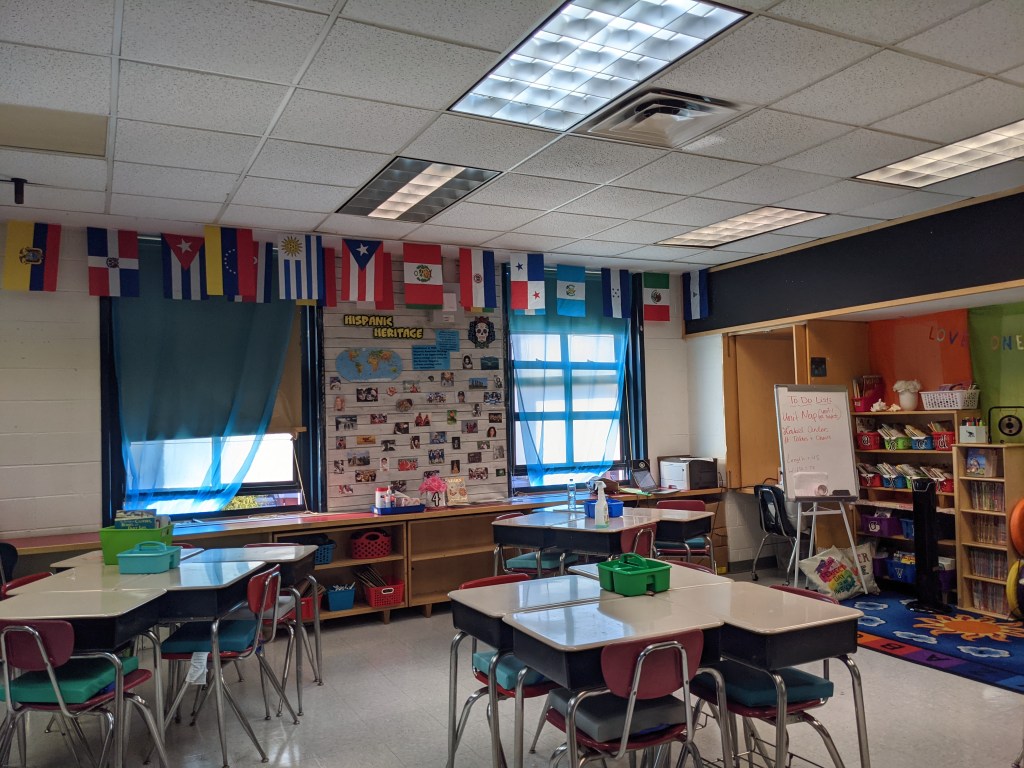
    A fouth-grade classroom at P.S. 705, set up with desks in small clusters, windows open, and improved mechanical ventilation for fall 2021. Photo taken by Betsy Ladyzhets (COVID-19 Data Dispatch).

    On the morning of Aug. 26, parents from Brooklyn Arts & Science Elementary School (or P.S. 705) flocked to the school for an open house ahead of the fall 2021 semester. Parents climbed up a flight of stairs — designated P.S. 705-only — to the second floor of a building in Crown Heights, Brooklyn. They walked down squeaky-clean hallways, toured classrooms with desks carefully spaced three feet apart, and heard the whir of newly-installed fans and portable ventilation units.

    The event was live-streamed for those who couldn’t make it in person. About 100 parents attended the open house events online and in-person, Principal Valerie Macey estimated, representing around one-third of the school’s 308 students.

    The school had already done “a lot of communication,” Macey said — so parents were familiar with safety protocols going into the open house, and questions focused on more typical school concerns such as homework policy. This past communication included weekly town hall meetings, virtual office hours, and individual calls to families.

    P.S. 705 went above and beyond New York City school reopening guidance, with a particular reliance on the city’s surveillance testing program. This elementary school had 55% in-person enrollment by the end of the 2020-2021 school year, above the city’s average of about 40%, and made it through the year with just 11 total cases — and zero closures.

    P.S. 705 is the subject of the final profile in the COVID-19 Data Dispatch’s “Opening” series. Alongside four other school communities, we selected it because the majority of the school’s students returned to in-person learning during the 2020-2021 school year — and city officials identified COVID-19 cases in under 5% of the student population. (According to the CDC, about 5% of school-aged children in the U.S. contracted COVID-19 between the start of the pandemic and early August 2021.)

    As the other four school communities in this project are rural districts — following a trend in our data analysis, which primarily identified rural areas — we felt it was important to include a city school in the project. We additionally wanted to highlight New York State’s surveillance testing program, as it’s one of the few school testing programs with public data available. Plus, the COVID-19 Data Dispatch was able to visit this school in person, as this reporter (Betsy Ladyzhets) is based in Brooklyn.

    Demographics for Brooklyn, New York1
    Census population estimates, July 2019

    • Population: 2.6 million
    • Race: 36.8% white, 33.8% Black, 18.9% Hispanic/Latino, 12.7% Asian, 2.7% Two or more races, 0.9% Native American
    • Education: 82.4% have high school degree, 37.5% have bachelor’s degree
    • Income: $60,200 is median household income, 17.7% in poverty
    • Computer: 87.5% have a computer, 80.0% have broadband internet
    • Free lunch: 67.8% of students receive free or reduced-price lunch2

    COVID-19 stats for Brooklyn Arts & Science Elementary School (P.S. 705)
    All data from New York School COVID Report Card

    • Total enrollment: 308 students
    • In-person enrollment: 55% at end of the school year
    • Total cases, 2020-2021 school year: 11 cases (8 among students, 3 among staff)

    1We chose to include borough-level statistics here because the P.S. 705 school district does not clearly align with a specific ZIP code or another smaller geographic area within Brooklyn.
    2Source: National Center for Education Statistics


    Extensive parent communication

    New York City, which has the largest public school district in the U.S., faced challenges with maintaining parent trust during the pandemic. In fall 2020, the city started offering hybrid learning, with cohorts of students returning to classrooms for two or three days a week. But only one in four students actually returned to classrooms by early November, according to the New York Times. In spring 2021, many schools were able to offer five days a week in-person, but most students still stayed home. Parents criticized NYC leaders for confusing communication; teachers protested unsafe conditions at their school buildings; and some staff, like those working with special education students, claimed the city’s plan left them behind.

    At P.S. 705, more students returned to in-person learning (55%) than the city average (40%). School administrators made it a priority to provide parents with information and make themselves available for questions. This frequent communication was a major reason why parents felt safe sending their children back to classrooms, representatives from the Parent-Teacher Association (PTA) said in a group interview with administrators and other school staff.

    Town halls — livestreamed to parents — are one hallmark of P.S. 705’s communication. After initial school-wide meetings, administrators devised a schedule in which the weekly town halls alternated between grade levels, in order to focus on concerns for specific age groups.

    Takiesha Robinson, the PTA president, recalled that these meetings were well-attended; Principal Macey estimated that 30 to 40 parents typically joined the grade-specific events, accounting for the majority of the school’s 40 to 50 students in a grade. “The town halls [were] a very good open forum to let the parents know that you [the administrators] are listening, you do care, you are here,” she said. When parents provided feedback on something they felt wasn’t working, administrators responded quickly, Robinson said.

    In addition to the town halls, P.S. 705 administrators staffed a “virtual main office” where parents could enter and ask additional questions. Each morning, administrators logged onto a virtual meeting which stayed live throughout the day. “Parents could come in and ask any questions when they needed,” said Melissa Graham, P.S. 705’s parent coordinator.

    School staff also reached out to families proactively when they identified a potential need for support, such as after a student missed class. This school is located on the border of Crown Heights and Prospect Heights, both neighborhoods that were hard-hit by the pandemic: in the school’s ZIP code and in a neighboring ZIP code where families live, one out of every 11 people was diagnosed with COVID-19, according to NYC data.

    At P.S. 705 itself, 41% of students are Black and 32% are Hispanic or Latino, two groups that saw disproportionately high COVID-19 hospitalizations and deaths in Brooklyn. Principal Macey explained that the staff wanted to know when students lost loved ones or went through other COVID-related struggles.

    “The staff and administration went above and beyond to reach out to those families,” said Alison Gilles, PTA secretary. “[The pandemic] definitely hit our community really hard. But 705 is just the kind-of place where it is a ‘wrap your arms around the whole family’ kind-of a school.”

    Surveillance testing

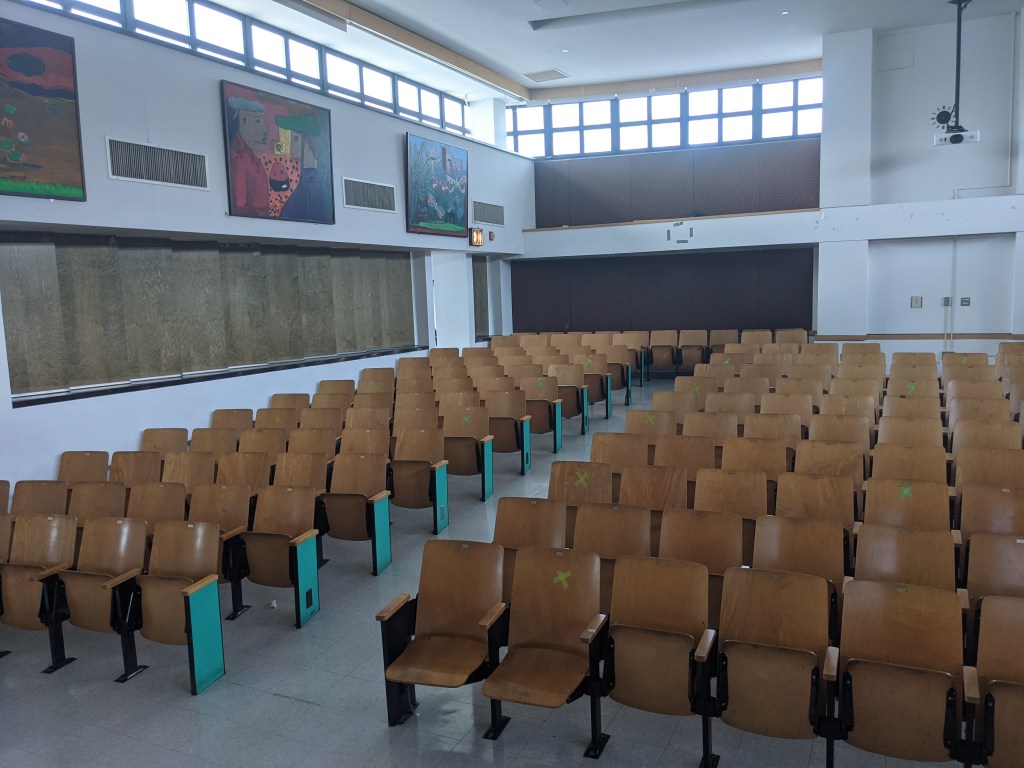
    At P.S. 705, students get swabbed in the school auditorium. Students wait in socially-distanced seats before returning to class. Photo taken by Betsy Ladyzhets (COVID-19 Data Dispatch).

    P.S. 705 utilized NYC’s COVID-19 testing program to identify cases before they turned into outbreaks. Starting in October 2020, the NYC Department of Education (DOE) required all schools open for in-person learning to test 20% of their on-site students and staff once a month. In December, as the winter COVID-19 surge grew, this requirement was increased to once a week.

    Through partnerships between the city DOE and PCR testing labs, students and staff could get tested right at their school buildings, with results available in two to three days. At P.S. 705, students were tested in the school auditorium, one grade at a time: students filed in at one side of the room, got swabbed one by one, then waited in socially-distanced seats to return to class.

    For this school, the city’s 20% requirement shook out to about 45 people. But P.S. 705 “over-volunteered for the testing,” according to DOE spokesperson Nathaniel Styer. Administrators realized that testing was a great tool to keep their classrooms safe and encouraged staff and students to get swabbed even when it wasn’t required.

    “There were a lot of people apprehensive, initially, about being tested,” said Principal Macey. So, she, along with Graham (the parent coordinator) and Assistant Principal Kristen Pelekanakis, routinely got tested first so that students and staff could see how easy the process was. During the week of January 20, 2021, for example, over 150 staffers and students were tested—out of about 200 total people in the building.

    !function(){“use strict”;window.addEventListener(“message”,(function(e){if(void 0!==e.data[“datawrapper-height”]){var t=document.querySelectorAll(“iframe”);for(var a in e.data[“datawrapper-height”])for(var r=0;r<t.length;r++){if(t[r].contentWindow===e.source)t[r].style.height=e.data["datawrapper-height"][a]+"px"}}}))}();

    Just as young students got used to masks in Oregon, the Brooklyn students got used to swabs. Graham recalled: “I would come into the classroom with a clipboard, and I would have kids being like, ‘Take me! Take me! I’m getting tested this week!’”

    In fact, Pelekanakis said that she and other administrators wished testing capacity was higher, so that they could test even more students. The majority of the school’s active cases were caught through random testing, she said; those students were asymptomatic and, she believed, likely wouldn’t have been identified as infected if not for P.S. 705 testing above their required level. The school saw a total of eight student cases and three staff cases all year — comprising just under 5% of the onsite students and staff.

    The city’s testing requirement has become less stringent for fall 2021. Now, only 10% of unvaccinated students will be tested every other week, and students must opt in to the program rather than requiring testing for all. According to Principal Macey, all the students who attended in-person classes in spring 2021 had opted into the fall testing program as of early September; she plans on heavily promoting the program to the students who were remote last year through upcoming town halls and other communication.

    Macey and the other staffers — who must be vaccinated with at least one dose by the end of September, per a city-wide mandate — aren’t required to participate in testing this fall. But Macey still intends to serve as an example for her students: “I’ll test, just because I want my kids to see,” she said.

    Returning to one school community

    NYC is heading into the fall 2021 semester with no remote option. At P.S. 705, this means more than 100 students who learned remotely for the entire 2020-2021 school year will be coming back to classrooms. Administrators are preparing with more parent communication (weekly town hall meetings and the late-August open house), while the DOE updates their building’s ventilation system.

    The COVID-19 Data Dispatch (CDD) visited P.S. 705 on Sept. 3, just ten days before classrooms open for the new school year. At that time, Principal Macey said the school just finished an overhaul of its HVAC system, updating ventilation throughout the building. The school also had external filtration units, fans, and windows open for additional airflow. In classrooms, desks are spaced three feet apart — down from six feet last year. And custodians are making the building look like new: During the CDD’s visit, Principal Macey told a custodian that she wants to see her face “shining in the floor” by the first day of school.

    Summer renovations at P.S. 705 were extensive, according to reporting at Gothamist: In mid-August, “the building that houses Brooklyn Arts and Science Elementary School reported that all 40 of its classrooms were under repair.” At the time of publishing, just one classroom is still marked under repair by the DOE, while three rooms (two staff offices and a bathroom) have no mechanical ventilation.

    At the Sept. 3 visit, administrators and teachers told the CDD that they were optimistic about the new school year. “The kids are really good with [keeping] their masks on,” said fourth-grade teacher Denise Garcia. She felt that, with similar protocols in place, the school could continue to have low case counts like the previous year.

    This year’s first day of school will be far from typical. Principal Macey has planned for a big celebration, including outdoor activities, a literal red carpet, photo opportunities, and a moment of silence for loved ones lost in the pandemic.

    “It can’t just be, ‘go inside, wash your hands,’” she said. “We have to get that space to just reconnect.” With continued communication and acknowledgement of the pandemic’s hardships, she intends to lead her school back into “one school community.”


    The COVID-19 Data Dispatch’s “Opening” series is available for other publications to republish, free of charge. If you or your outlet is interested in publishing any part of this series, please contact betsy@coviddatadispatch.com.

    More from the Opening series
  • Opening profile: Close-knit community in Port Orford and Langlois, Oregon

    Opening profile: Close-knit community in Port Orford and Langlois, Oregon

    By Betsy Ladyzhets

    The actual Port in Port Orford, Oregon. Photo from Yurivict via Wikimedia Commons.

    In Port Orford, Oregon, it’s a quick walk from the elementary and middle school building to the town library—the two buildings are right down the street from each other. In fact, the town library and school are linked by more than geography, since the school district’s two libraries became part of the Port Orford library system in 2017. The town’s library system stepped in to assist the district in buying books, organizing the collection, and other management tasks.

    Much like how town librarians stepped in to save the school libraries in 2017, they also provided crucial space, books, wifi, and activities to students during the pandemic. The school-library partnership exemplifies the close-knit community of the two small, coastal towns making up the Port Orford-Langlois School District.

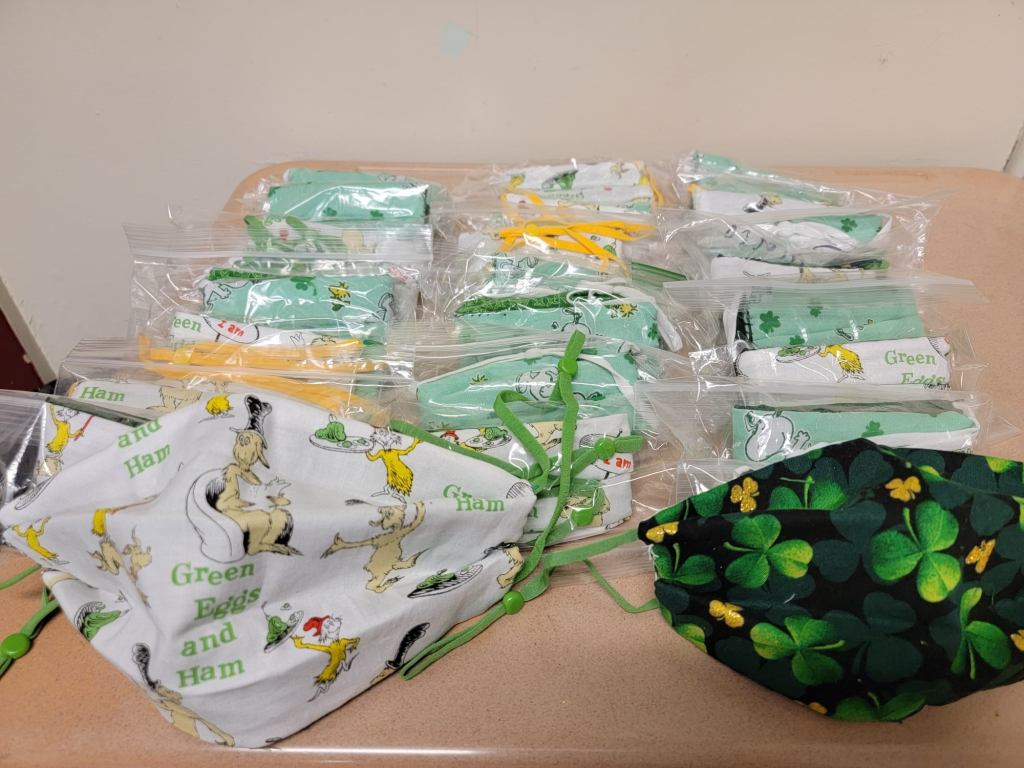
    District parents and other community members additionally stepped up to provide homemade face masks for teachers and staff. The district built up community trust and used a cautious, step-by-step reopening strategy to make it through the 2020-2021 school year with zero cases identified in school buildings.

    The Port Orford-Langlois School District is the subject of the fourth profile in the COVID-19 Data Dispatch’s “Opening” series. Alongside four other school communities, we selected it because the majority of the district’s students returned to in-person learning during the 2020-2021 school year — and officials identified COVID-19 cases in under 5% of the student population. (According to the CDC, about 5% of school-aged children in the U.S. contracted COVID-19 between the start of the pandemic and early August 2021.)

    Demographics for Port Orford, Oregon

    American Community Survey 2019 5-year estimates

    • Population: 1,000
    • Race: 94.7% white, 2.0% Native American, 3.4% two or more races, 1.5% Hispanic/Latino
    • Education: 92.8% have high school degree, 11.0% have associate’s degree, 21.5% have bachelor’s degree
    • Income: $27,500 is median household income, 27.5% in poverty
    • Computer: 87.6% have a computer, 77.0% have broadband internet1
    • Free lunch: 68.9% of students receive free or reduced-price lunch2

    COVID-19 stats for Port Orford-Langlois School District 2CJ

    • Total enrollment: 205 students3
    • In-person enrollment: Estimated 85%-90% at the start of the school year (K-3 students only), 95% at the end (all grades)3
    • Total cases, 2020-2021 school year: 0 cases reported4

    1Source: County-level statistic
    2Source: National Center for Education Statistics
    3Source: Interview with Principal Krista Nieraeth
    4Source: Reported by Oregon Health Authority


    Library partnership and community

    Both of the towns in this Oregon school district are tiny. Port Orford has a population of about 1,000, and Langlois has an even smaller population of 135. The district is made up of two schools: a high school and a K-8 school, where class sizes tend to be under 20 students. The two schools have a total enrollment of about 200 students combined. Staffers at the district wear multiple hats — Krista Nieraeth, for instance, serves as principal for both schools.

    In these two small towns, communication between school parents and administrators was direct — and personal. Nieraeth recalled how she often received information about students who needed to quarantine: “I would get a Facebook message [from a parent] at eight o’clock at night going, what do I do?” Some parents also called her personal cell number to ask questions or alert her to COVID-19 symptoms in their households, while district teachers had individual calls with parents before classes started. This level of direct communication reflected trust between the community and the district’s administration.

    One example of community partnership was the district’s connection to the Port Orford Public Library, which manages the school district’s library system. Starting in fall 2020, the library hosted IT specialists and teachers from the school in one of the library’s conference rooms. Students were able to come get technological support or a bit of face-to-face homework help. 

    The library later dedicated more spaces for after-school homework help, allowing families to come in and utilize the free wifi. Both the library and school buildings also kept their wifi turned on, so that families could sit in their parking lots and use it from their cars; the library’s wifi was on 24/7. Similarly to Garrett County in Maryland, the geography of this rural district makes broadband access inaccessible for many families.

    “The biggest feedback I had was a wish for longer hours,” Library Director Denise Willms said, when asked how district families responded to the library’s services. Due to low staffing, the library was unable to operate a full seven-days-a-week schedule. Willms additionally noted that the library does not have a great ventilation system or easily-openable windows — and unlike school districts across the country, she was unable to access a government grant for ventilation updates.

    Librarians and district staff ultimately brought services from the library directly to students. The school libraries were unavailable for browsing (because they were temporarily used as large classrooms), so library staff and teachers coordinated book delivery directly to classrooms. Kari Hansen, the K-8 school’s library coordinator, recalled using gloves to handle the books and reading out story descriptions to students, so that they could learn about their options at a distance before making a reading choice.

    The Port Orford youth services librarian, Cheryl Frances, and school staff also produced take-home activity kits for students. The library’s kits included literacy, dinosaurs, and other STEAM learning materials. Parents could pick these activity packs up at the library, and when extras were available, library staff took them over to the school. The kits served as a way to remind students that “the library is here,” Frances said.

    Social studies, history, and economics teacher Phoebe Skinner observed that these take-home activities were very popular with students and parents alike. Since the kits had “everything you need” right in the package, she said, overwhelmed parents didn’t need to hunt down extra supplies or do any other additional labor. The district additionally ran its own virtual events, such as a movie night and bingo games.

    Reflecting on the school-library partnership, Willms — the library director — said that her experience embodied: “students first, community first, ego second.” Principal Nieraeth similarly said that the library, along with churches and other community civic organizations, “really would help step up and ask us, ‘What do you need?’”

    Homemade facemasks donated to the school district by parents in March 2021. Photo via the district’s Facebook page.

    “Playing it safe”

    Similarly to other districts profiled in this project, Port Orford-Langlois prioritized getting students back in physical classrooms during the COVID-19 pandemic. To prepare for that reopening, Nieraeth said, she and other staffers focused on spacing and ventilation. After using tape to map out every classroom in seven-by-five-foot blocks, the staff put a desk in each space.

    The staff also prioritized ventilation: windows needed to be open in each classroom. In some cases, classroom assignments were shuffled around to allow proper social distancing. One class with over 20 students, for example, was moved into the library.

    In addition to these precise preparations, the district opted to delay its fall 2020 semester by two weeks for extra prep time. Then, age groups were brought back to classrooms in intervals to test out safety measures and build trust in the community.

    The first phase of this reopening was the youngest students, grades kindergarten through third grade. Those younger students “needed that stability” of in-person learning, Nieraeth said.

    After six weeks of the youngest children in classrooms, case numbers were low enough both in the school district itself and in surrounding Curry County to bring more students back: grades four through six. Administrators had planned to bring back middle and high school students six weeks after that, but by that point, the winter COVID-19 surge had hit Oregon, leading the district to opt for caution and continue virtual learning for older students.

    Nieraeth estimated that, at the start of the fall semester, 10% to 15% of the K-3 students chose all-remote learning. But, throughout the semester, more families decided to go back in person, as they saw that the district adhered to safety protocols while also letting kids play together. Parents also developed trust in the district by watching Nieraeth share district updates on social media and respond to parents’ questions.

    In addition to basic safety measures like social distancing and ventilation, the district barred visitors from the school buildings, conducted daily temperature and symptom checks, and encouraged lots of handwashing and sanitation.

    “My desk had never been cleaner in 20 years of teaching,” said Skinner, the social studies, history, and economics teacher.

    Masks were required for all students and staff as well. Nieraeth said she was “pleasantly surprised” to see that even the youngest children wore their masks responsibly. She credited this, in part, to the district’s parents, who modeled mask-wearing for their children — even though the community leans conservative, and parents may not have been overly enthusiastic about masking themselves.

    Precautions continue into fall 2021

    When the spring semester started in February, middle and high school students were finally able to return to classrooms. Skinner noted that a significant batch of students returned in March, after older family members in their households were able to get vaccinated. By the end of the year, she said, out of 60 to 70 students in her social studies classes, all but eight were attending class in person. Principal Nieraeth similarly estimated that about 95% of the district’s students were attending school in person by the end of the spring semester. 

    Overall, the safety measures and low community spread helped the Port Orford-Langlois schools avoid outbreaks. The Oregon Health Authority did not identify a single case in the district for the entire 2020-2021 school year; Principal Nieraeth confirmed this statistic.

    In fall 2021, the Port Orford-Langlois district is continuing similar safety measures to last year, including required masks. But this semester is less likely to proceed with zero outbreaks: the surrounding county, like much of Oregon, is now seeing some of its highest case rates of the pandemic. And, in mid-August, this county reported more cases per person than any other in the state. As of September 1, 51% of county residents are fully vaccinated, per Oregon state data; teachers and staff have until October 18 to comply with a state vaccine mandate.

    In a follow-up interview on Sept. 2 — four days into the new school year — Principal Nieraeth said her district was following all the protocols that worked well last year. “We’re working with our families and really reliant on them to help us ensure that we’re being safe at school,” she said.


    The COVID-19 Data Dispatch’s “Opening” series is available for other publications to republish, free of charge. If you or your outlet is interested in publishing any part of this series, please contact betsy@coviddatadispatch.com.

    Edit, Sept. 7, 2021: An earlier version of this story misrepresented the activity kits produced by the Port Orford Public Library; the story has been updated with accurate examples.

    More from the Opening series

  • Opening profile: Personal responsibility in Andrews, Texas

    Opening profile: Personal responsibility in Andrews, Texas

    By Betsy Ladyzhets

    Andrews County students gather at a football game in August 2021. Photo via the district’s Facebook page.

    On July 28, 2020, before the start of fall extracurriculars, Andrews Independent School District held a town hall in the high school auditorium. Parents and community members came from across the county to grill the district administrators on their reopening plans. While some parents wanted the details on safety measures, others were more concerned about their individual freedoms.

    Bobby Azam, the district superintendent, recalls parents asking questions like, “Are you going to force my child to sit still all day?” or “Are you going to penalize my child if their mask slips off?”

    Ultimately, when schools reopened for in-person classes, students in this West Texas district were not penalized for letting a mask slip. The school district prioritized personal responsibility, giving families information to make individual choices about their children’s safety. Partnerships with the local health department, outdoor classes, increased ventilation, and an intensive cleaning regimen also helped keep cases down — even though the district did not follow all Centers for Disease Control and Prevention (CDC) protocols, such as required quarantines and masks for the youngest students.

    Andrews County’s school district is the subject of the third profile in the COVID-19 Data Dispatch’s “Opening” series. Alongside four other school communities, we selected it because the majority of the district’s students returned to in-person learning during the 2020-2021 school year — and officials identified COVID-19 cases in under 5% of the student population. (According to the CDC, about 5% of school-aged children in the U.S. have contracted COVID-19 since the start of the pandemic.)

    Though this district did not adhere to the full extent of COVID-19 prevention guidance, it offers valuable lessons in addressing community politics while still maintaining safety measures — reflecting the challenges that many Sun Belt districts face this fall.

    Demographics for Andrews County, Texas
    Census population estimates, July 2019

    • Population: 19,000
    • Race: 56.6% Hispanic/Latino, 39.9% white, 2.0% Black, 1.5% Native American, 1.5% two or more races, 0.7% Asian
    • Education: 72.3% have high school degree, 12.2% have bachelor’s degree
    • Income: $76,200 is median household income, 10.2% in poverty
    • Computer: 91.6% have a computer, 86.2% have broadband internet
    • Free lunch: 47.9% of students eligible for free or reduced-price lunch1

    COVID-19 stats for Andrews Independent School District
    Texas Department of State Health Services, Public Schools COVID-19 data

    • Total enrollment: 4,000
    • In-person enrollment: 82% in late September, 2020; 100%, January through June, 2021
    • Total cases, 2020-2021 school year: 167 cases in students, 76 in staff
      • Clearfork Elementary School: 6 students, 0 staff
      • Underwood Elementary School: 9 students, 0 staff
      • Devonian Elementary School: 10 students, 0 staff
      • Andrews Education Center: 12 students, 1 staff
      • Andrews Middle School: 48 students, 0 staff
      • Andrews High School: 68 students, 0 staff
      • Unspecified campus: 14 students, 75 staff

    1Source: National Center for Education Statistics


    Preparing for reopening

    When the schools shut down in March 2020, Andrews County was prepared to provide computers for all students. Still, remote learning proved challenging. Many Andrews parents work in the oil industry, which is a major employer in the region, and were unable to work from home — which left many students at home alone.

    As a result, when Gov. Greg Abbott announced a plan for fall reopening in June 2020, Andrews district administrators went full speed ahead. Planning for reopening relied on constant communication with the school board and the late July town hall, along with other opportunities for parents to provide feedback.

    Administrators also prepared for reopening by intensifying cleaning efforts at Andrews school buildings. The district hired an outside cleaning service to deep clean all buildings, both before the semester began and at regular intervals during the first couple weeks of classes.

    All teachers and students in Andrews County had to choose between an all-in-person or all-virtual experience. Unlike other Texas districts, teachers were organized to lead either an entirely virtual or entirely in-person class — no need to teach hybrid classes and split focus between the students in a classroom and the students on Zoom. Meanwhile, students had to commit to in-person class in order to participate in sports or other extracurriculars. In late September, about 82% of students were attending class in person, according to Texas state health department data.

    Students who opted for those in-person classes had more outside time than in previous years. Andrews has a warm climate, with temperatures rarely falling below freezing; district staff took advantage by opening windows and doors to outside air, as well as holding class in the playground. Research suggests that outdoor coronavirus transmission is incredibly rare, and ventilation is more effective than cleaning in preventing the spread of aerosols — those tiny virus particles that travel through the air.

    “Anytime we could be outside, we did,” Azam said. He found that many students — who were stuck learning from home in spring 2020, while their parents were at work — were especially appreciative of the extra playtime.

    Parents’ choice — and parents’ responsibility

    Like other districts profiled in this series, the Andrews County school district partnered with the local public health department during its fall reopening. During the fall semester, the public health department shared information about new COVID-19 cases directly with school administrators — notifying the district about a new student case at the same time as the student’s parents. This method went above and beyond guidance from the state of Texas, which stipulated that parents should inform their school district of a case, then the district should inform the public health department. The rapid communication helped the district identify cases quickly and ensure that no cases were missed due to a parent’s reporting hesitancy.

    Once a case was identified, the classroom would be immediately cleared and custodians wiped down every surface that the student may have touched. The student’s parents would get a call to pick up their child, and notifications went out to families sharing a classroom with the infected child via ParentSquare, the school’s parent communication service. Those families were all able to access free, drive-through testing right at the local health department — with results in under 24 hours, according to Suzanne Mata, assistant superintendent of student services at the district.

    This health department partnership was challenged, however, by “differences of opinion” between district leadership and health workers, as Mata described the relationship. The Andrews school district opted not to require masks beyond the state guidance — which said children under 10 were exempt — and made quarantines optional when a case was identified. The department urged the district to follow CDC guidance: quarantine all exposed students and require masks for all children, including those under age ten.

    Rather than relying on strict restrictions, the district “utilized parents,” as Superintendent Azam put it. Parents were able to choose whether a child under age 10 required a mask, while also taking responsibility for other safety measures.

    “We said, ‘Mom, Dad, you know your kid better than us,’” Azam said. The district’s quarantine policy reflected this philosophy. While the district required any student with COVID-19 symptoms or a positive test result stay home from school, children who shared a classroom with an infected student had the choice to quarantine or continue coming to class as usual.

    “We just said, an individual has been in your student’s classroom… that has actually tested positive — please be aware to look for these symptoms,” Mata said, describing the notification that parents received after a positive case. The notice also reminded parents that any child with symptoms had to stay home.

    Gordon Mattimoe, director of the Andrews County Health Department, called the district’s policy “not ideal for mitigation.” After the fall 2020 semester and deterioration of the relationship between district and health department, as Mata described the situation, the health department stopped sharing case information directly with the school district. Instead, parents were asked to report any student cases, further placing the responsibility for COVID-19 mitigation on parents. Administrators felt that parents had sufficient understanding and trust in the district’s protocol to report cases responsibly.

    Transitioning to 100% in person

    !function(){“use strict”;window.addEventListener(“message”,(function(e){if(void 0!==e.data[“datawrapper-height”]){var t=document.querySelectorAll(“iframe”);for(var a in e.data[“datawrapper-height”])for(var r=0;r<t.length;r++){if(t[r].contentWindow===e.source)t[r].style.height=e.data["datawrapper-height"][a]+"px"}}}))}();

    The fall 2020 semester started off smoothly, except for a small outbreak in a sports team. As parents saw the district keep case numbers low — while remaining flexible on safety measures — in-person enrollment grew.

    “Every week, we had more and more kids… coming back face to face,” Superintendent Azam said. The students who had opted for the district’s virtual learning option struggled, both with getting assignments turned in and with mental health while home alone.

    As a result, the district decided to end the virtual option halfway through the fall semester, phasing students back in throughout October and November. During this transition, some families chose to drop out of the public school district entirely and switch to homeschooling or another option. According to data from the Texas public health department, the district’s total enrollment dropped by 157 students — from 4,149 in October 2020 to 3,992 in January 2021.

    In total, the Texas health department reported 167 cases among Andrews students over the course of the school year, representing about 4% of the total student body. They reported 76 cases among staff. The district saw its highest case spikes in November, December, and January, when the country was undergoing its highest surge, followed by almost zero cases between March and the end of the school year in late May. This may be an undercount, however, as the public health department was no longer sharing case data with the district during the spring.

    Superintendent Azam acknowledged that luck may have been a factor in Andrews’ low case counts; this rural district was not hit hard by COVID-19 like El Paso and other parts of Texas. The district also likely benefited from improved ventilation, via outdoor classes and open windows. Finally, while parents were expected to report cases to the school and take responsibility for quarantines, administrators say that trust built up throughout the fall semester enabled district parents and staff to become unified around the goal of keeping kids in classrooms and COVID-19 out of classrooms — making this individual responsibility system effective.

    The Andrews district has taken away key lessons from the 2020-2021 school year. These include: a continued focus on cleaning when COVID-19 or any other illness is identified in a school building; telling teachers and students to stay home if they feel sick; and holding class outside whenever possible.

    As the Delta variant now sweeps through Texas and Governor Abbott blocks school mask mandates, Mattimoe, from the county health department, is concerned that Andrews’ flexible safety strategy may be harder to maintain this year. The public health department typically partners with the district on fall childhood vaccination events, he said, but opted not to hold events at the middle school this year due to COVID-19 vaccine polarization in the community. About 42% of the county’s eligible population is fully vaccinated as of August 28, according to Texas state data; the state average is 57%.

    “With the governor’s orders, the school is going back to business as usual,” Mattimoe said.

    Mata, the assistant superintendent, said that the district is “staying very vigilant” and aiming to “do what’s right for our students and our staff.” As of August 22, the district has yet to report any cases in the fall 2021 semester.


    The COVID-19 Data Dispatch’s “Opening” series is available for other publications to republish, free of charge. If you or your outlet is interested in publishing any part of this series, please contact betsy@coviddatadispatch.com.

    More from the Opening series
  • Featured sources, August 22

    • State Guidance on School Reopenings, CRPE: The Center on Reinventing Public Education (CRPE) is an education research organization focused on improving student outcomes. The organization has compiled and analyzed state guidance for school reopening in fall 2020, focusing on mask mandates and vaccination requirements. Read about their findings here.
    • Will Students Come Back?: July 2021 Parent Survey: The RAND Corporation, a survey company, has a new report out this week displaying parent attitudes towards fall reopening. According to the survey, as of July 2021, 89% of U.S. parents are planning to send their kids back to school in person. This number is higher for white (94%) and Asian (88%) parents than Black (82%) and Hispanic (83%) parents.
    • COVID Stimulus Watch: The policy resource center Good Jobs First has put together this extensive database of CARES Act funding recipients. You can search the database by federal agency, CARES Act program, business sector, company type, location, amount received, and whether the money has been refunded.
    • Body Politic’s Comprehensive Guide to Covering Long COVID: Writer and long COVID advocate Fiona Lowenstein has written this guide to covering the prolonged condition. The guide includes long COVID’s history, key terms, finding experts, telling patient stories, and more. Lowenstein shares key insights from the guide in this Center for Health Journalism article.
    • Update on Bloomberg’s Vaccine Tracker: After nine months of manual data updates, the team behind Bloomberg’s COVID-19 vaccine tracker is switching to automated data capture from the World Health Organization, Johns Hopkins, and other sources. Or, as health editor Drew Armstrong put it on Twitter: “We’re finally ready to let the robots take over.” Thank you, Bloomberg team, for your months of hard work!

  • Opening profile: Community over wifi in Garrett County, Maryland

    Opening profile: Community over wifi in Garrett County, Maryland

    By Betsy Ladyzhets

    Staff at Broad Ford Elementary School in Garrett County, Maryland. Photo via the district’s website.

    It’s difficult to get good internet access in Garrett County, Maryland. The county lies in the Appalachian Mountains, full of peaks and ridges, trees and rivers. This geography blocks signals and slows internet speeds, even for Garrett County residents who do have a router at home. And the county’s southern edge meets the National Radio Quiet Zone, where cell and internet service is restricted in order to preserve data collection for West Virginia’s Green Bank Telescope.

    Even Barbara Baker, superintendent of Garrett County Public Schools, has a hard time getting service: During her interview with the COVID-19 Data Dispatch, poor Zoom quality forced the conversation onto a phone call.

    “Working from home, teaching from home, and learning from home was a huge hurdle for us to overcome,” Baker said.

    Of course, such a wifi-challenged district is not cut out for virtual classes, making in-person school a priority. Unlike other districts in Maryland, Garrett County Public Schools was able to bring the majority of its students back to classrooms during the spring 2021 semester. The district built trust with its community by utilizing local partnerships, providing families with crucial supplies, setting up task forces to plan reopening, and communicating extensively with parents.

    Garrett County’s school district is the subject of the second profile in the COVID-19 Data Dispatch’s “Opening” series. Alongside four other school communities, we selected it because the majority of the district’s students returned to in-person learning during the 2020-2021 school year — and officials identified COVID-19 cases in under 5% of the student population. (According to the CDC, about 5% of school-aged children in the U.S. have contracted COVID-19 since the start of the pandemic.)

    Demographics for Garrett County, Maryland
    Census population estimates, July 2019

    • Population: 29,000
    • Race: 96.2% white, 1.2% Hispanic/Latino, 1.1% Black, 1.0% two or more races, 0.4% Asian
    • Education: 89.8% have high school degree, 20.9% have bachelor’s degree
    • Income: $52,600 is median household income, 12.8% in poverty
    • Computer: 84.6% have a computer, 76.9% have broadband internet
    • Free lunch: 47.8% of students eligible for free or reduced-price lunch1

    COVID-19 stats for Garrett County Public Schools

    • Total enrollment: 3,600 students2
    • In-person enrollment: 86% after reopening for a four-day week in March2
    • Total cases, 2020-2021 school year:
      • 5 cases in the fall (identified by the state in two elementary school outbreaks)3
      • 17 cases in the spring (15 rapid test positives, 2 PCR test positives); none identified by the state as outbreaks4

    1Source: National Center for Education Statistics
    2Source: Interview with Superintendent Barbara Baker
    3Source: Maryland COVID-19 School Outbreaks dataset
    4Source: Data from School Health Services Manager Rebecca Aiken


    Spring 2020: Combatting remote challenges, in-person preparation

    Due to wifi issues and a learning curve with the district’s online platform, in spring 2020, Garrett County families and educators struggled to access remote classes. But the district used this time to prepare for its eventual return by providing computers, tablets, and wifi hotspots resources to students and building trust for the next year.

    The district used a federal grant to purchase about 1,000 wifi hotspots, which were both distributed to students and set up in central locations to which families could easily drive. At a total of 650 square miles, Garrett County is relatively large, and with under 50 people per square mile, its residents are fairly spaced out. Administrators aimed to set up hotspots in enough locations that nobody would need to drive more than ten miles to access wifi.

    At the same time, district staff delivered meals to families. About half of Garrett County students are eligible for free lunch, according to the National Center for Education Statistics. Scott Germain, the district’s food services supervisor, quickly pivoted from cafeteria meals to meals on the road. His team brought food from the district’s twelve schools to churches, community centers, and other central locations so that families could avoid traveling more than a few miles.

    Like many other districts, Garrett County took advantage of federal grant money to improve ventilation and cleaning at school buildings. But unlike others, this district stands out for a unique, collaborative strategy used to plan its return to classrooms in fall 2020. 

    The district brought stakeholders together through “TIGER teams”, or “Targeted Immediate Group Execution and Response” teams. Each team was composed of people from varied backgrounds, all unified around a singular reopening-related goal, such as COVID-19 testing and learning connectivity. Teams typically included at least one parent, one community member, and one doctor, health department officer, or other relevant expert.

    Similarly to Austin, Indiana, partnerships between the school district and the local public health department proved crucial in reopening. While school buildings were closed in spring 2020, the district’s nursing staff worked with the Garrett County public health department to run testing sites.

    “We just became one agency, almost, for a while,” said School Health Services Manager Rebecca Aiken of the school’s nursing staff and the local health department. School nurses were able to expertly swab students who came to class with COVID-19 symptoms when classrooms opened up in the fall.

    Fall 2020: Hybrid, then back to virtual

    The fall 2020 semester started with a hybrid model, due to concerns about maintaining six-foot spacing between students in every classroom. Most students were coming in for two days in person, while Wednesday was reserved as a day where children worked remotely on their own, giving teachers extra prep time. A small number of students opted to stay all-remote and another small number, identified by the district as most likely to fall behind during remote learning, came in all four days. (Precise numbers are not available, but administrators estimate that 10% to 15% were in all four days during this time.)

    During the hybrid period, the state of Maryland identified two small outbreaks at Garrett County schools. The state defines a classroom outbreak as at least two confirmed COVID-19 cases among teachers, students, and staff within a two-week period; cases must be epidemiologically linked but not within the same household. Maryland data reveal two cases at Route 40 Elementary School and three at Yough Glades Elementary School, from October to December.

    Despite these relatively low case numbers, the hybrid model was short-lived: Rising cases in Maryland forced the district to return to virtual-only learning in November. Still, the district was better prepared this time. More students had computers and wifi, and teachers and families were familiar with the district’s online platform.

    That return to remote made administrators even more determined to bring students back in the spring. In January, Maryland governor Larry Hogan ordered all school systems to bring kids back to at least hybrid instruction by March 1; this order “gave a little bit of teeth” to Garrett County school leadership, Superintendent Baker said.

    Spring 2021: Communication and trust

    By March 1, Garrett County students were back in classrooms four days a week. Wednesday remained an asynchronous preparation day for teachers, most of whom still had a small number of remote-only students in their classes.

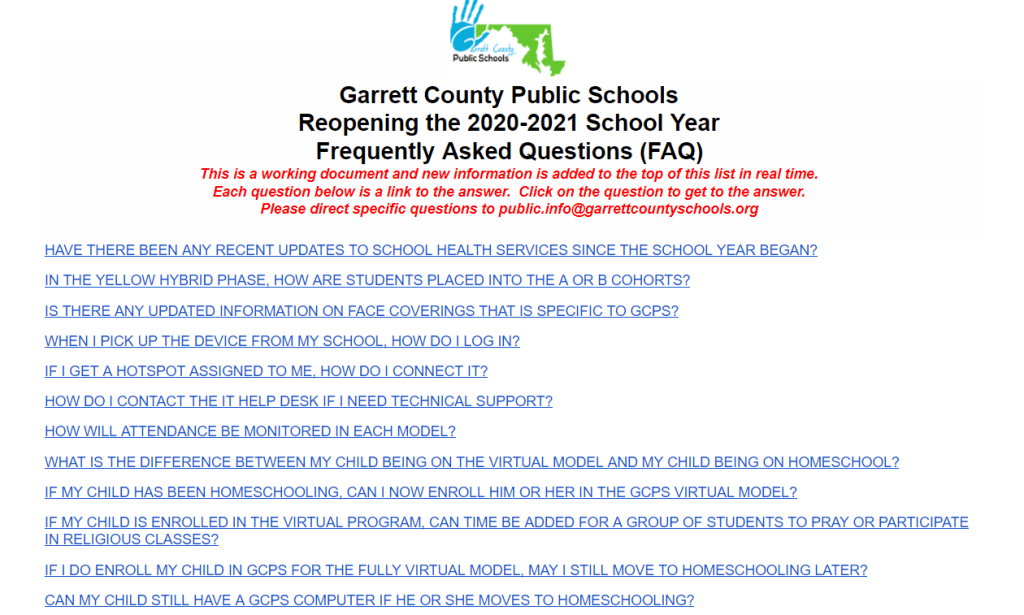
    Feedback from teachers informed that schedule, but the district also actively solicited — and responded to — feedback from parents. Administrators collected feedback through surveys, and principals made personal phone calls to check in on parents. Questions from parents were funneled into a detailed FAQ document on the district’s website; the document currently stands at 22 pages long and was, at times, updated multiple times a day.

    “[Parents knew] we were listening, that we knew that they had questions and that we were trying to answer them to the best of our ability,” Baker said.

    Garrett County Public Schools FAQ document. Screenshot retrieved on August 22.

    This detailed attention to parent feedback — combined with the trust built up by providing technology, food, and other services — may be one reason why Garrett County bucks Maryland’s overall trend in bringing students back to classrooms. According to a study published in the Centers for Disease Control and Prevention’s Morbidity and Mortality Weekly Report, over three-quarters of Maryland K-12 students only had access to fully remote learning during the 2020-2021 school year. In Garrett County, though one day remained remote, 86% of students returned to almost-full-time in-person learning by the end of the spring semester.

    “I think it was a real testament to the fact that the families trusted that we would keep their children safe, that we would put the safety protocols into place,” Baker said.

    Indeed, between late March and early May this year, only 17 students and staffers tested positive for COVID-19 in the schools, well under one percent of the district population. These numbers do not reflect all cases in the district, according to Aiken, head of school health services, because some students were not tested through the school. She said that all of these students were infected outside the school setting — at part-time jobs, social gatherings, and other community functions — and quick contact tracing through the local health department helped prevent spread at schools themselves.

    On Sept. 7 this year, all Garrett County students will be back in the classroom, all five days a week. As the fall safety plan currently stands, masks are strongly recommended (though not required), but enhanced ventilation, three feet distancing, testing, and other protocols will continue. Additional precautions may be added before the school year starts, Chief Academic Officer Nicole Miller said in an email on August 18.

    Principals prepared for the transition by once again calling parents to have one-on-one conversations about their concerns, with a focus on the families who chose remote learning last spring. The health services team prepared with vaccination clinics for students and staff; the vast majority of school staff (92% as of late July) are vaccinated already, thanks in part to similar clinics in the spring. Administrators also continue to update their FAQ document, solicit feedback, and build trust with their community — building connections where wireless internet networks have failed.

    “We had the collaboration, and we had the connections, and we had the framework built before this happened,” Aiken said. “I think that’s what made [reopening] so successful.”


    The COVID-19 Data Dispatch’s “Opening” series is available for other publications to republish, free of charge. If you or your outlet is interested in publishing any part of this series, please contact betsy@coviddatadispatch.com.

    More from the Opening series
  • Opening profile: Public health collaboration in Austin, Indiana

    Opening profile: Public health collaboration in Austin, Indiana

    By Betsy Ladyzhets

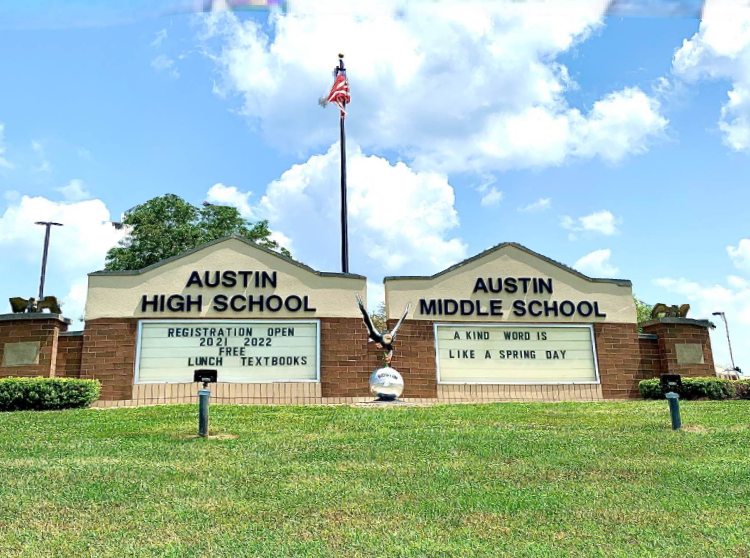
    The middle and high school campus in Austin, Indiana. Photo from the Scott County School District 1 Facebook page.

    In 2015, Austin, Indiana was hit with a deadly epidemic: HIV/AIDS. This city, then over 4,000 people, saw over 200 HIV cases in about a year during its outbreak, which one health reporter called “the worst drug-fueled HIV outbreak ever to hit rural America.”

    So when the COVID-19 pandemic hit, the small city was prepared to respond. The school district and public health department took advantage of their existing relationship and community trust to plan for a safe school reopening that stands out as one of the most successful in the state, according to a COVID-19 Data Dispatch analysis.

    “The HIV outbreak actually brought a lot of people together,” said Brittany Combs, a Scott County public health nurse who worked with the district. “We all came to the same table and figured out what we needed to do to tackle the HIV outbreak. And so, for the pandemic, we all were already at the table.”

    This school district, Scott County School District 1, is the subject of the first profile in the COVID-19 Data Dispatch’s “Opening” series. Alongside four other school communities, it was selected because the majority of the district’s students returned to in-person learning during the 2020-2021 school year — and under 5% of the student population was identified as a COVID-19 case. (According to the CDC, about 5% of school-aged children in the U.S. have contracted COVID-19 since the start of the pandemic.)

    While Austin’s experience with HIV/AIDS is unique, the school district offers lessons for other communities. An open line of communication between Austin’s county public health agency, school administrators, and other local leaders fostered an environment of collaboration and trust. Plus, the administrators took advantage of teachers’ and parents’ knowledge of their students to make them an integral part of identifying COVID-19 cases and stopping outbreaks.

    Demographics for Austin, Indiana
    American Community Survey 2019 5-year estimates

    • Population: 3,700
    • Race: 97.8% white, 0.7% Native American, 0.8% other, 0.8% two or more races
    • Education: 75.8% have high school degree, 4.7% have associate’s degree, 2.0% have bachelor’s degree
    • Income: $34,200 is median household income, 27.4% in poverty
    • Computer: 80.6% have a computer, 65.9% have broadband internet1
    • Free lunch: 64.7% of students eligible for free or reduced-price lunch2

    COVID-19 stats for Scott County School District 1, 2020-2021

    • Total enrollment: 1,200 students2
    • In-person enrollment: About 80% at the start of the year, 85% at the end3
    • Total cases, 2020-2021 school year: 47 in students, 25 in staff4
      • 13 elementary school students (Austin Elementary School)
      • 19 middle school students (Austin Middle School)
      • 15 high school students (Austin High School)

    1Source: County-level statistic
    2Source: National Center for Education Statistics
    3Source: Interview with Superintendent Trevor Jones
    4Source: Data from Head School Nurse Deana Broadus. Numbers include students who did not attend in-person classes while sick, but whose cases were reported to the district.


    Public health collaboration

    In planning for reopening the school district after spring 2020 closures, the public health department had “constant meetings with the school,” Combs said. The existing relationship between the school and public health experts streamlined these meetings. And thanks to past outreach efforts around HIV and opioids, the public health department already had relationships with Austin families.

    “I like to think that the health department already has a lot of trust because we were in the news a lot, we were forefront a lot, so they kinda know who we are,” Combs said. “Hopefully, the majority of the county really trusted in what we said.”

    Families were also likely to collaborate with the school district because they wanted their kids back in classrooms, according to Superintendent Trevor Jones. He referenced Austin’s high poverty level (27.4%, compared to a national average of 10.5%) and explained that the majority of students get free breakfast and lunch. Combined with the community’s past drug abuse issues, he said, there was ample motivation among parents and teachers alike to protect students from the isolation of remote learning.

    “The safest place our kids can be is here at school,” Jones said.

    While the schools had some basic safety measures in place, such as six-foot spacing, masks required everywhere except at spaced-out desks, and regular handwashing, this community trust paid off most in identifying students with COVID-19 symptoms. Deana Broadus, head school nurse at the district, said that teachers and parents acted as a first line of defense in identifying symptoms. At the beginning of the school day, teachers took students’ temperatures and asked them about other symptoms.

    “As the school year went on, teachers [get to] know their kids,” Broadus said. “They can kind of tell, oh, she doesn’t look that well today, go see the nurse.”

    Broadus and the other school nurses also got to know their students by following up on symptom questionnaires and developing medical histories. Some students would erroneously mark every symptom on the checklist, she said: “You get to know who’s trying to go home.” In other cases, the symptom checks inspired the nurses to keep better track of seasonal allergies, recurring stomach aches, and other chronic conditions that were previously reported by parents but not thoroughly documented by the school.

    Parents took part in the informal COVID-19 surveillance, too. “Parents would call in and report certain symptoms,” Broadus said. “[Students] either needed a doctor’s note or a negative COVID test to return to school.”

    The procedure was similar if a student was sent home. While the district initially quarantined full classes following a positive case, the strategy shifted to close-contact identification: figuring out which students had sat next to an infected child. Broadus said that the chief concern she heard from parents calling in to report a case was often ensuring that no more children than necessary would need to miss in-person class, though students who missed class could still follow along online.

    Keep sick students home

    Through collaboration with the public health department — which took charge of contact tracing for parents, staff and other non-students — Broadus found that the vast majority of school cases came from outside the buildings. 

    “Usually what we found was that a parent or someone else that the child lived with was sick, and then subsequently the student got sick,” she said. And among those students, cases were typically identified quickly enough that the virus didn’t spread to others.

    One of the Austin district’s major lessons from the past school year was the importance of telling families to keep their kids home if they were sick. In the past, students and staff alike tended to “push through it” and still come in if they didn’t feel well, Broadus said. Now, the policy is to stay home from school or work if you have any symptoms, not just those matching COVID-19. To reinforce this, Jones said, the district is removing rewards for perfect attendance and similar bonuses for staff. The schools are also continuing to emphasize handwashing and other good hygiene habits.

    Still, the district did not avoid cases entirely. A total of 47 students contracted COVID-19 over the course of the school year, including 13 students at Austin Elementary School, 19 at Austin Middle School, and 15 at Austin High School — or about 4% of the district’s total enrollment. According to Broadus, the district identified the most cases (17 total) during November and December 2020, at the peak of the fall COVID-19 surge. The district added additional COVID-19 safety precautions at this time, such as limiting spectators at sporting events.

    Delta poses new challenges

    This fall, Austin’s school district is facing further challenges amplified by the country’s Delta surge. School started in-person on August 3; unlike the previous year, masks were optional. Several student cases in the first week of school led the district to switch to all-virtual classes for two weeks, Superintendent Jones said in an email on August 10.

    When students return after this virtual period, COVID-19 symptom monitoring will continue — though the district is phasing out formal checklists that proved to be less helpful than parent and teacher intuition. The six-feet distancing rule has shrunk to three feet. Ventilation has also improved, thanks to grant money from the federal government for which many districts were able to apply.

    Austin will continue to rely on its community to identify cases and stay safe in the new school year. “I feel like it wasn’t just one thing that we were doing,” Broadus said. “Everyone was working together.”


    The COVID-19 Data Dispatch’s “Opening” series is available for other publications to republish, free of charge. If you or your outlet is interested in publishing any part of this series, please contact betsy@coviddatadispatch.com.

    Update, Sept. 7, 2021: After two weeks of all-virtual classes in August 2021 prompted by high case numbers, the Austin school district returned to the COVID-19 safety protocols followed in the previous school year. Masks are once again required whenever students are not stationary at distanced desks, and desk spacing is back at six feet where possible. “We made some adjustments to our COVID procedures that have minimized the number of students in quarantine,” Superintendent Jones said in an email on Sept. 7.

    More K-12 schools reporting

  • Opening: Five school districts that kept their communities safe

    Opening: Five school districts that kept their communities safe

    It’s impossible to overstate how controversial school reopening has become in the U.S. this past year. After a spring of universal Zoom school, the country diverged: some administrators, parents, and scientists were determined to get kids back in classrooms, while others prioritized COVID-19 safety above all else.

    Reopening debates have dominated headlines. In August 2020, images of maskless crowds in Georgia’s Cherokee County School District went viral on social media — and the school quarantined hundreds of students just one week after the semester started. That same month In New York City, teachers brought handmade coffins and a guillotine to a protest against Mayor Bill de Blasio’s reopening plan. Chicago’s schools remained closed through the fall, and the teachers union narrowly avoided a strike during reopening negotiations in early 2021. And districts like Brookline, a liberal Massachusetts suburb, saw parents who are health experts feud with teachers over social distancing, vaccinations, and more.

    The divided communities made the news — but not all U.S. schools were fighting grounds. In fact, many districts managed to bring the majority of their students back into classrooms without breeding a dreaded COVID-19 outbreak.

    Here, at the COVID-19 Data Dispatch, we’re sharing stories from five such communities. The series will be published in installments: one profile a week for the next five weeks, followed by a conclusion with overall insights and lessons for fall 2021.

    This project fits into a school of reporting called “solutions journalism.” Rather than focusing on uncovering society’s problems, this type of journalism seeks to identify and uplift responses to these problems. In other words, instead of asking, “Why was it so hard to reopen schools in the U.S?”, the CDD is asking, “Which schools did reopen, and what made them successful?” The Solutions Journalism Network — which, as you may guess from the name, is a nonprofit that supports solutions journalism — provided the CDD with a grant to pursue this project, as well as trainings and other guidance.

    Identifying districts that reopened

    Before introducing you to the five districts that we profiled, let’s talk methodology, also known as how these districts were selected for the project. As we’ve discussed at length here at the CDD, there’s a lack of good data on COVID-19 cases in schools. The country is approaching a fourth pandemic semester, but the federal government still does not provide comprehensive information on how many students are attending public school in person or how many of them have contracted the virus. And while the majority of states provide some data on this topic, these data are scattered and unstandardized — and some states have even gotten worse at their reporting since the 2020-2021 school year ended. 

    So, to identify success stories for this project, we relied on two main sources. First, we used a database which tracks in-person attendance change at school districts across the country, covering approximately 94% of districts across 98% of U.S. counties. These data come from SafeGraph, a company that aggregates location data from cell phones; this database was also used in a March 2021 Nature paper on disparities in school closures. Using the SafeGraph data, we could see which districts had high in-person traffic numbers in spring 2021 compared to shutdowns during spring 2020, indicating that the majority of students returned.

    It’s important to establish here that the aim of this data analysis was not to identify the districts that had the biggest in-person comebacks or to do any kind of comprehensive ranking. Instead, we looked for outliers: districts that had a larger attendance change than the schools around them.

    This geography-based method was important because the 2020-2021 school year looked very different from one state to the next. For example, in New York City, just over one-third of public school families attended school in-person before June 2021, per the New York Times. Meanwhile, in Texas, the majority of schools had at least 70% of students back in-person by spring 2021, according to data from the state department of health.

    !function(){“use strict”;window.addEventListener(“message”,(function(e){if(void 0!==e.data[“datawrapper-height”]){var t=document.querySelectorAll(“iframe”);for(var a in e.data[“datawrapper-height”])for(var r=0;r<t.length;r++){if(t[r].contentWindow===e.source)t[r].style.height=e.data["datawrapper-height"][a]+"px"}}}))}();

    You can see the variation in the map above, based on a study published in the Centers for Disease Control and Prevention’s Morbidity and Mortality Weekly Report earlier this summer. According to this analysis, every single student in Montana and Wyoming had access to in-person learning five days a week, between September 2020 and April 2021, while in Maryland, just 2.3% of students had that access during the same period.

    Comparing COVID-19 case numbers

    After using the SafeGraph dataset to identify outliers in a given state, we used data from state public health departments to identify districts’ COVID-19 case numbers. This step restricted the analysis to states that provided a.) COVID-19 case data by individual district and b.) data for the entire school year. Few states meet both of these criteria. It’s no coincidence that New York and Texas — also the only two states providing in-person enrollment numbers — are both represented among the five focus districts of this project.

    You can find more information on state K-12 data reporting at the CDD’s annotations page here.

    !function(){“use strict”;window.addEventListener(“message”,(function(e){if(void 0!==e.data[“datawrapper-height”]){var t=document.querySelectorAll(“iframe”);for(var a in e.data[“datawrapper-height”])for(var r=0;r<t.length;r++){if(t[r].contentWindow===e.source)t[r].style.height=e.data["datawrapper-height"][a]+"px"}}}))}(); !function(){“use strict”;window.addEventListener(“message”,(function(e){if(void 0!==e.data[“datawrapper-height”]){var t=document.querySelectorAll(“iframe”);for(var a in e.data[“datawrapper-height”])for(var r=0;r<t.length;r++){if(t[r].contentWindow===e.source)t[r].style.height=e.data["datawrapper-height"][a]+"px"}}}))}();

    Over the next few weeks, you’ll learn about how schools from rural Indiana to New York City faced the challenge of bringing kids back to classrooms while keeping their communities safe. Some took advantage of novel COVID-19 technologies, such as tests and ventilation updates. But others utilized less technical strategies such as personalized communication with parents and close collaboration with local public health officials.

    As the Delta variant intensifies reopening challenges for this coming fall, the stories of these five communities tell us that virus cases can be kept down during in-person learning if administrators, teachers, and families all work together.

    These schools are:

    • Scott County School District 1 in Austin, Indiana
    • Garrett County Public Schools in Garrett County, Maryland
    • Andrews Independent School District in Andrews, Texas
    • Brooklyn Arts and Science Elementary School in Brooklyn, New York
    • Port Orford-Langlois School District 2CJ in Curry County, Oregon

    The COVID-19 Data Dispatch’s “Opening” series is available for other publications to republish, free of charge. If you or your outlet is interested in publishing any part of this series, please contact betsy@coviddatadispatch.com.

    Past K-12 schools reporting

    • COVID-19 school data remain sporadic
      On November 18, New York City mayor Bill de Blasio announced that the city’s schools would close until further notice. The NYC schools discrepancy is indicative of an American education system that is still not collecting adequate data on how COVID-19 is impacting classrooms—much less using these data in a consistent manner.